When a Tooth Infection Requires an Emergency Dentist


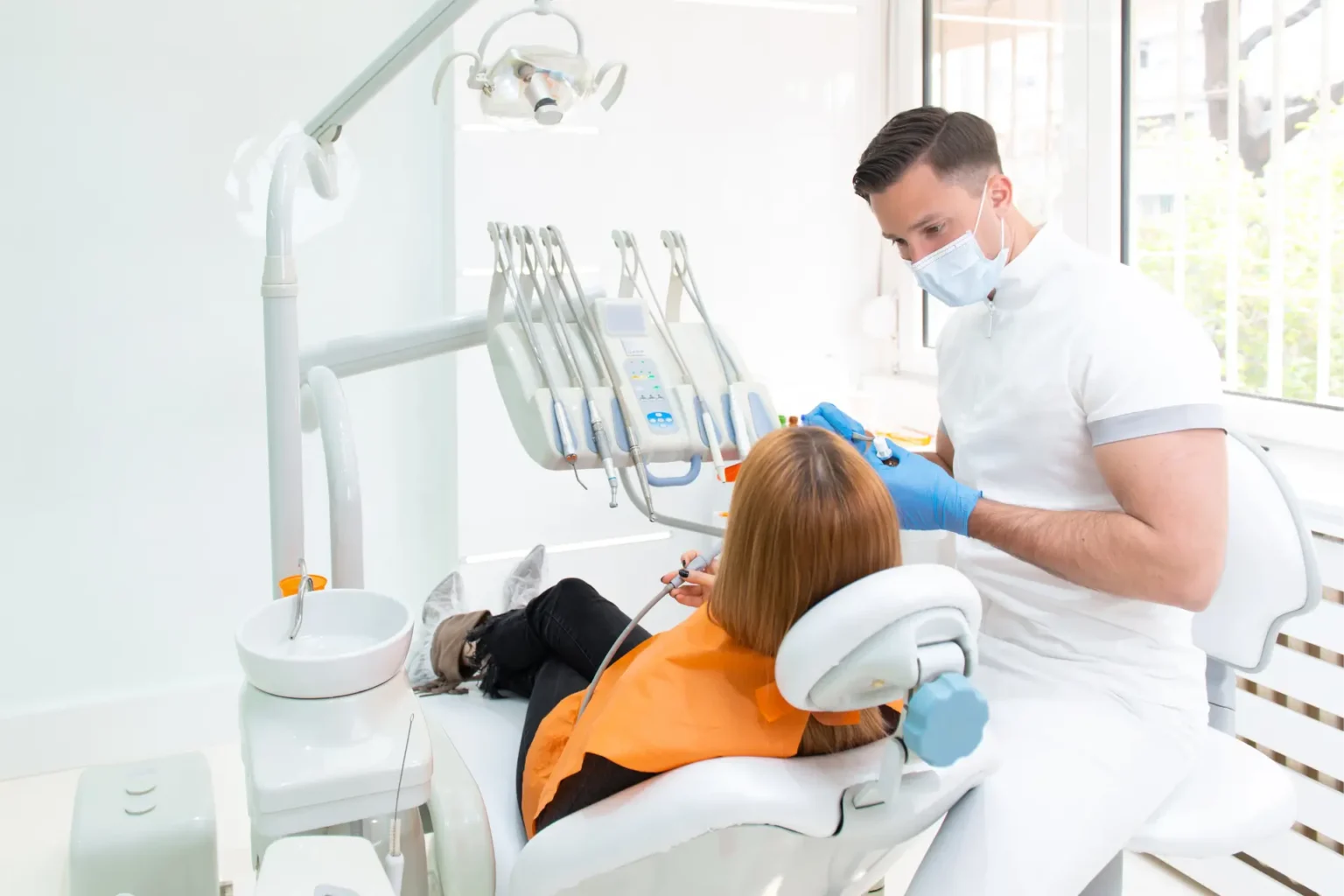
A tooth infection can begin with something that feels almost manageable, a nagging ache when you bite down, a pulse of pain that fades after ibuprofen, a tooth that suddenly dislikes cold water. Then it changes. The pain sharpens, your face starts to swell, sleep becomes impossible, and what seemed like a problem for "sometime this week" turns into something that needs attention now.
That shift matters because a dental infection is not just about the tooth. Once bacteria move beyond the inner pulp and into the tissues around the root, the problem can spread into the gums, bone, and nearby spaces of the face. Dentists see this pattern often. Patients try to ride it out for a day or two, hoping antibiotics from an urgent care clinic or home remedies will calm things down. Sometimes they get temporary relief. Just as often, the infection keeps moving because the source inside the tooth is still there.
Knowing when to call an Emergency Dentist can make the difference between a straightforward procedure and a much more serious medical situation. The hard part is that people do not always recognize the warning signs early enough. Tooth infections can be deceptive. Some are dramatic from the start. Others build quietly, especially in people with high pain tolerance or in teeth that have already lost some nerve vitality.
What a tooth infection actually is
Most dental infections begin when bacteria reach the pulp, the soft tissue inside the tooth that contains nerves and blood vessels. This usually happens because of deep decay, a cracked tooth, leaking dental work, or trauma. Once the pulp becomes inflamed or dies, bacteria can multiply in the root canal system and escape through the tip of the root into the surrounding bone.
At that stage, the issue is no longer just a cavity. It becomes an abscess or a spreading infection. The body responds with inflammation, pressure, and pain. Pus may collect. The gum can swell. The tooth may feel too high when you bite, as if it is being pushed out of place. In some cases, the pressure drains through the gum and forms a pimple-like bump, which many patients mistake for a minor irritation. That bump is actually a sign that infection has found a pathway out.
Not every infection behaves the same way. A front tooth with an abscess may create visible swelling in the lip area fairly quickly. An infected molar, especially a lower molar, can involve deeper spaces in the jaw and become more dangerous because of the way swelling can track into the floor of the mouth or the cheek. That anatomy is one reason dentists do not treat all dental pain as equal.
The difference between urgent and routine dental pain
Plenty of dental problems hurt without being emergencies. A sensitive tooth, a lost filling, a dull ache from grinding, or mild gum irritation usually warrants a prompt dental appointment, but not necessarily same-day emergency care. The concern rises when pain comes with swelling, fever, drainage, worsening pressure, or trouble opening the mouth.
One practical way to think about it is this: routine dental issues tend to stay local and stable. True infections often become more intense, more diffuse, and harder to ignore over hours rather than weeks. If the pain is escalating, if the swelling is visible, or if you feel generally unwell, it has moved out of the category of "watch and wait."
People often ask whether the pain level alone tells the story. Not always. Some severe infections are surprisingly painless after the tooth nerve dies. The patient may only notice a bad taste, a swelling near the gum, or puffiness in the face. Others have intense throbbing pain with very little visible swelling. Dentists rely on the whole picture, not just one symptom.
Signs that you need an Emergency Dentist
When a tooth infection begins to involve surrounding tissues or your general health, delay is a bad bargain. These are the signs that should push you toward urgent dental care:
- Swelling of the face, jaw, or gums, especially if it is increasing
- Fever, chills, or feeling weak and unwell along with dental pain
- Difficulty swallowing, breathing, or opening your mouth normally
- Severe throbbing toothache that does not ease or keeps waking you up
- Pus, foul-tasting drainage, or a gum boil near a painful tooth
Each of these signs suggests that the infection is active enough to demand rapid treatment. Trouble swallowing or breathing deserves the highest level of concern. At that point, a dental infection may be affecting deeper facial spaces, and that can become a medical emergency, not just a dental one.
I have seen patients who tried to work through facial swelling with over-the-counter pain relievers because they had an important meeting the next day. By the time they came in, the swelling had doubled, and the conversation was no longer about whether the tooth could be saved that afternoon. It was about drainage, antibiotics, and whether they needed hospital evaluation. The window between manageable and dangerous can be shorter than people expect.
When swelling changes everything
Pain gets attention. Swelling should get respect.
A small, localized swelling near the gumline often points to an abscess that still needs treatment, but the risk rises when swelling spreads into the cheek, under the jaw, or toward the eye. The location matters because the head and neck contain tight tissue spaces where infection can travel. Swelling under the jaw, under the tongue, or into the neck can interfere with swallowing and airway function. Swelling around an upper tooth can occasionally spread toward the sinus or the tissues around the eye.
That does not mean every puffy cheek means hospitalization. It does mean you should not downplay visible facial swelling from a tooth. Dentists take photographs, measure spread, check your temperature, evaluate your ability to open, swallow, and breathe, and determine whether the infection can be managed safely in the office or requires escalation.
There is another point many patients do not realize. If swelling suddenly drops after days of pain, that is not always good news. Sometimes the pressure has found a place to drain, which can reduce pain while the infection remains active. Temporary relief can mask a problem that still needs root canal treatment, extraction, drainage, or all three.
Fever, fatigue, and the signs beyond your mouth
A tooth infection becomes more concerning when it stops behaving like a local problem. Fever is one of the clearest signals. So are chills, body aches, unusual fatigue, and a general sense that you are sick, not just uncomfortable. These symptoms suggest your immune system is working harder and the infection may be affecting more than the tooth itself.
People with certain health conditions need to be particularly cautious. Diabetes, cancer treatment, autoimmune disease, transplant history, and medications that suppress the immune response can change how fast an infection spreads and how strongly the body responds. Older adults may show fewer classic symptoms even when the infection is serious. Children can deteriorate quickly. Pregnancy also deserves thoughtful handling, because delaying treatment can create risks of its own.
This is where judgment matters. A healthy adult with mild, localized gum swelling and no fever may be treated promptly in a dental office the same day or next day. A patient with the same swelling plus fever and difficulty swallowing belongs in a more urgent setting immediately.
Why antibiotics are not the whole answer
One of the most common misunderstandings is the belief that antibiotics alone "fix" a tooth infection. They do not. They can reduce bacterial load and help contain spread, especially when there is swelling or systemic involvement, but the infected source inside the tooth usually remains. If the nerve tissue is dead and the root canal system is contaminated, that space must be cleaned through root canal treatment or the tooth must be removed. Otherwise, the infection often returns.
That is why some patients feel frustrated after getting antibiotics from an urgent care center. The pain improves for a week, then flares again, sometimes worse. The medication helped the surrounding tissues temporarily, but the bacteria inside the tooth were never fully addressed. Dentists see this cycle all the time.
There are also situations where antibiotics may not even be necessary if definitive treatment can be done right away and there are no signs of spreading infection. Drainage of an abscess, root canal therapy, or extraction can solve the problem more directly. Good emergency dental care is not just about prescribing a pill. It is about removing the cause.
What an Emergency Dentist will look for
When you arrive with a suspected tooth infection, the evaluation is usually focused and efficient. The dentist will ask when the pain started, how it changed, whether you have fever, whether you can swallow and breathe comfortably, and whether the swelling has spread. They will examine the tooth, the surrounding gum, the bite, and the soft tissues of the face and mouth. Dental X-rays help reveal decay, infection at the root tip, bone changes, and fractures.
From there, treatment depends on what they find. Sometimes the fastest relief comes from opening the tooth to drain pressure and begin root canal treatment. In other cases, a badly broken or unrestorable tooth is better removed. If there is a fluctuant abscess in the gum or soft tissue, the dentist may incise and drain it. Antibiotics may be prescribed if there is swelling, fever, or concern about spread.
An experienced Emergency Dentist also knows when not to keep a patient in the chair. If the swelling threatens the airway, if the patient cannot handle secretions, if there is eye involvement, or if the infection appears to extend into deep facial spaces, referral to hospital-based care is the safer move. That is not overreaction. It is good clinical judgment.
Common scenarios that deserve same-day care
Not every infected tooth presents the same way, but a few patterns come up repeatedly in practice.
A patient wakes up with one side of the face noticeably larger than the other and says the tooth had been aching on and off for a month. That is same-day territory.
A college student has severe pain from a back molar, cannot sleep, and now cannot fully open the mouth. That can signal deeper inflammation around a lower molar and should not wait.
A parent notices a child has a swollen gum with a pimple above a baby tooth and a mild fever. Children can compensate until they suddenly do not. Prompt evaluation is wise.
An adult Emergency Dentist with a crown that felt "fine" for years develops pressure, a foul taste, and tenderness to biting. Decay or leakage under old restorations can produce hidden infections that need urgent assessment even if the tooth does not look obviously damaged.
These are not rare edge cases. They are everyday reasons people end up needing emergency dental attention.
What you can do before you are seen
There is a right way to buy time, and a wrong way. Home care will not cure a tooth infection, but it can reduce discomfort and help you stay safer while you arrange treatment.
- Call a dental office as early as possible and clearly describe swelling, fever, or trouble swallowing
- Rinse gently with warm salt water, which may soothe irritated tissues and encourage drainage
- Use over-the-counter pain medicine as directed on the label, if you can take it safely
- Apply a cold compress to the outside of the face for swelling, 10 to 15 minutes at a time
- Go to the emergency room immediately if breathing or swallowing becomes difficult
Avoid placing aspirin directly on the gum, a surprisingly common mistake that can chemically burn tissue. Do not press on the swelling repeatedly. Do not use leftover antibiotics from another illness or another person. And if the pain suddenly drops after drainage starts, do not cancel the appointment. That is often the moment people get fooled into thinking the problem resolved itself.
The treatment options, and the trade-offs
Once the infection is diagnosed, treatment usually comes down to saving the tooth or removing it. That choice is not always straightforward.
Root canal treatment can preserve a tooth that still has enough healthy structure to function long term. For many front teeth and many molars with good support, this is a sound option. The benefit is obvious, you keep your natural tooth. The trade-off is that the tooth often needs a final crown afterward, which adds cost and time. If the tooth is badly cracked below the gumline or has extensive decay into the root, investing in root canal treatment may not be sensible.
Extraction removes the source quickly and is often the better choice for teeth that are broken beyond repair, loose from advanced gum disease, or structurally hopeless. The immediate relief can be dramatic, particularly when drainage is established. The trade-off is the missing tooth. Depending on where it is, replacement may matter for chewing, shifting, appearance, or all three. That can lead to later decisions about an implant, bridge, or partial denture.
Drainage is sometimes the first priority, especially when pressure and swelling are significant. But drainage alone is rarely the whole solution. It is part of stabilizing the situation while the tooth is treated or removed.
Why lower molars often cause more concern
Dentists tend to pay especially close attention to infected lower back teeth, and for good reason. The roots of these molars sit near spaces that can allow infection to spread under the tongue or into the submandibular region under the jaw. Patients may notice swelling in the floor of the mouth, pain swallowing, muffled speech, or a feeling that the tongue has less room. Those signs deserve prompt, serious evaluation.
This does not mean upper teeth are harmless. Upper canine and premolar infections can cause prominent facial swelling and, in certain circumstances, spread in troubling directions as well. But lower molars have a reputation in emergency care because of the airway implications when infection advances.
When the emergency room is the right place
People are often unsure whether to call a dentist or go straight to the hospital. A useful dividing line is whether the problem is still mainly dental, or whether it is becoming a broader medical threat.
If you have dental pain, localized swelling, and you can breathe and swallow normally, an Emergency Dentist is usually the right first call. If you have rapid swelling, fever with facial spread, difficulty swallowing, drooling, breathing changes, confusion, or severe dehydration because you cannot take in fluids, the emergency room is the safer choice. The same applies if you are immunocompromised and your symptoms are progressing quickly.
Hospitals can provide imaging, intravenous antibiotics, airway support, and surgical consultation when needed. They may still tell you to follow up with a dentist or oral surgeon for the actual source tooth, but the immediate priority becomes controlling a potentially dangerous infection.
Prevention is less dramatic, and much cheaper
Most dental infections do not appear out of nowhere. They usually follow untreated decay, a neglected crack, a broken filling, or delayed care after a tooth starts signaling trouble. That may sound obvious, but life gets in the way. People work through pain, lose insurance, move, care for family members, and convince themselves they can wait a little longer.
The trouble is that infected teeth rarely improve on their own. They may quiet down for a while, but that lull can reflect nerve death rather than healing. A tooth that hurts with sweets today can become a middle-of-the-night abscess months later. A cracked molar that only bothers you on popcorn can turn into a split tooth that cannot be saved.
Regular exams, timely fillings, treatment of cracked or failing restorations, and attention to small changes in bite or sensitivity all reduce the odds of needing emergency care. For people who grind their teeth, a night guard can prevent cracks that later become infection pathways. For people with dry mouth from medications, cavity risk rises sharply, which makes preventive care even more important.
The practical threshold: when not to wait until Monday
If you are wondering whether your tooth infection can wait, ask yourself a few plain questions. Is the pain getting worse instead of staying stable? Is there visible swelling? Do you feel sick, feverish, or unusually fatigued? Is it hard to chew, swallow, sleep, or open your mouth? Has there been pus, drainage, or a sudden foul taste?
If the answer to any of those is yes, waiting usually adds risk and often adds cost. What might have been handled with focused dental treatment can turn into a weekend emergency, a missed day of work, more medication, and a more complicated recovery.
A tooth infection requires an Emergency Dentist when it stops being a simple toothache and starts acting like an active infection, especially when swelling, fever, drainage, or functional problems appear. That is the moment to act, not monitor. Teeth can wait a little. Infections, sometimes, do not.
Vitality Dental
1220 Coit Rd # 106, Plano, TX 75075, United States
+1 972-645-4100
FAQ About Emergency Dentist
What counts as a dental emergency?
A knocked-out tooth, significant mouth injury, severe tooth pain, or painful swelling warrants prompt evaluation. Call your dentist and describe your symptoms so the office can advise you on how urgently you need care.
What should I do if I knock out a permanent tooth?
Call a dentist immediately. Handle the tooth by the crown, avoid touching the root, and keep it moist. If you cannot put it back into the socket easily, transport it in milk or a tooth-preservation solution. Bring it with you to the appointment.
Should I go to the emergency room for a dental emergency?
Seek emergency medical care right away if you have trouble breathing or swallowing, uncontrolled bleeding, or a serious facial injury. For an isolated tooth injury or toothache without those symptoms, call a dentist promptly for guidance.